
Protect the environment by choosing Paintless Dent Repair (PDR)
- Stefan Esche

- Jan 24
- 3 min read
Why Paintless Dent Repair Is the Eco-Friendly Way to Repair Your Vehicle in Connecticut
When your vehicle gets dented, most people immediately think of taking it to a traditional body shop for sanding, filling, and repainting. What many drivers don’t realize is that conventional auto body repair methods come with a significant environmental impact. From chemical emissions to material waste, traditional repairs can negatively affect the air, soil, and water in our communities.

Paintless Dent Repair, commonly referred to as PDR, offers a cleaner and more environmentally responsible alternative. At My Dent Shop LLC, we provide professional paintless dent repair throughout Connecticut, helping vehicle owners restore their cars while reducing environmental harm.
Traditional body shop repairs rely heavily on chemicals and coatings. Body fillers, solvents, primers, sealers, and clear coats all contain compounds that release volatile organic compounds into the air. These emissions contribute to air pollution and can impact both environmental and human health. Overspray and leftover materials must also be handled as hazardous waste, and improper disposal can contaminate soil and groundwater. Even in well-regulated facilities, the cumulative environmental footprint of refinishing vehicles is significant over time.
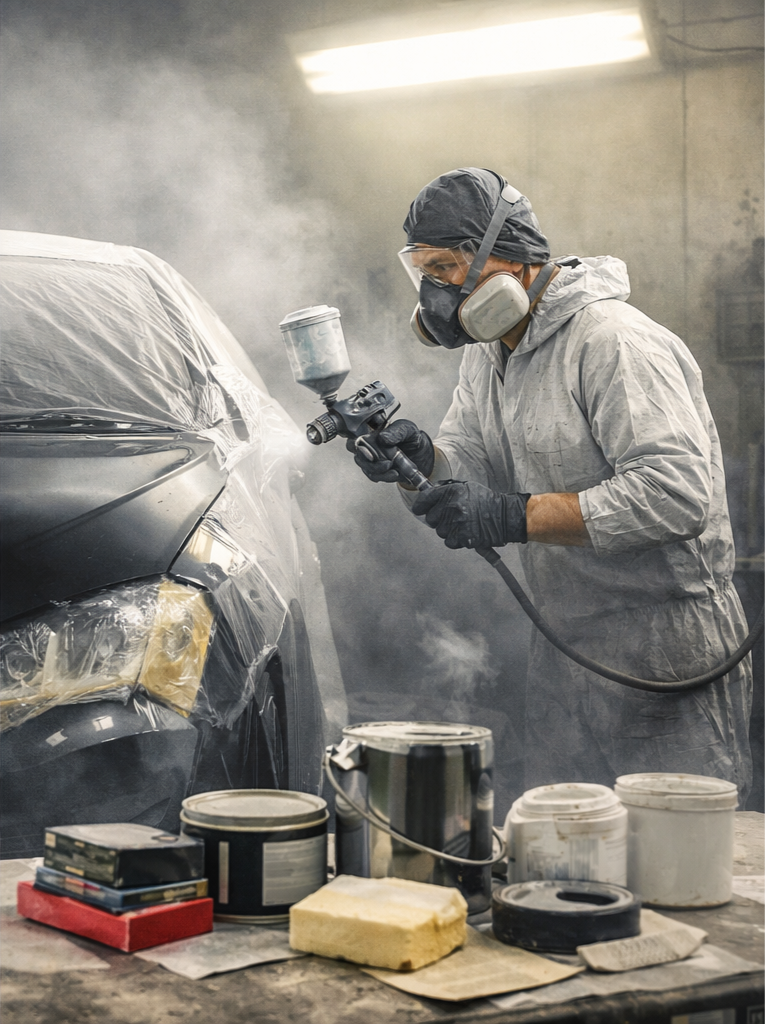
Many body shops promote the use of waterborne paint systems as a more environmentally friendly solution. While this is partially true, it often creates a misleading impression. Painting a vehicle involves multiple stages, not just one layer of color. The repair process typically includes primer, sealer, base coat, and clear coat. Only the base coat, which provides the color, is commonly waterborne. The primer, sealer, and clear coat remain solvent-based and still release chemicals into the environment. In fact, more clear coat is usually applied than base coat during a repaint, meaning a large portion of the materials used are still solvent-based. While waterborne paint is a positive step forward for the industry, it represents only a small portion of the total refinishing process.
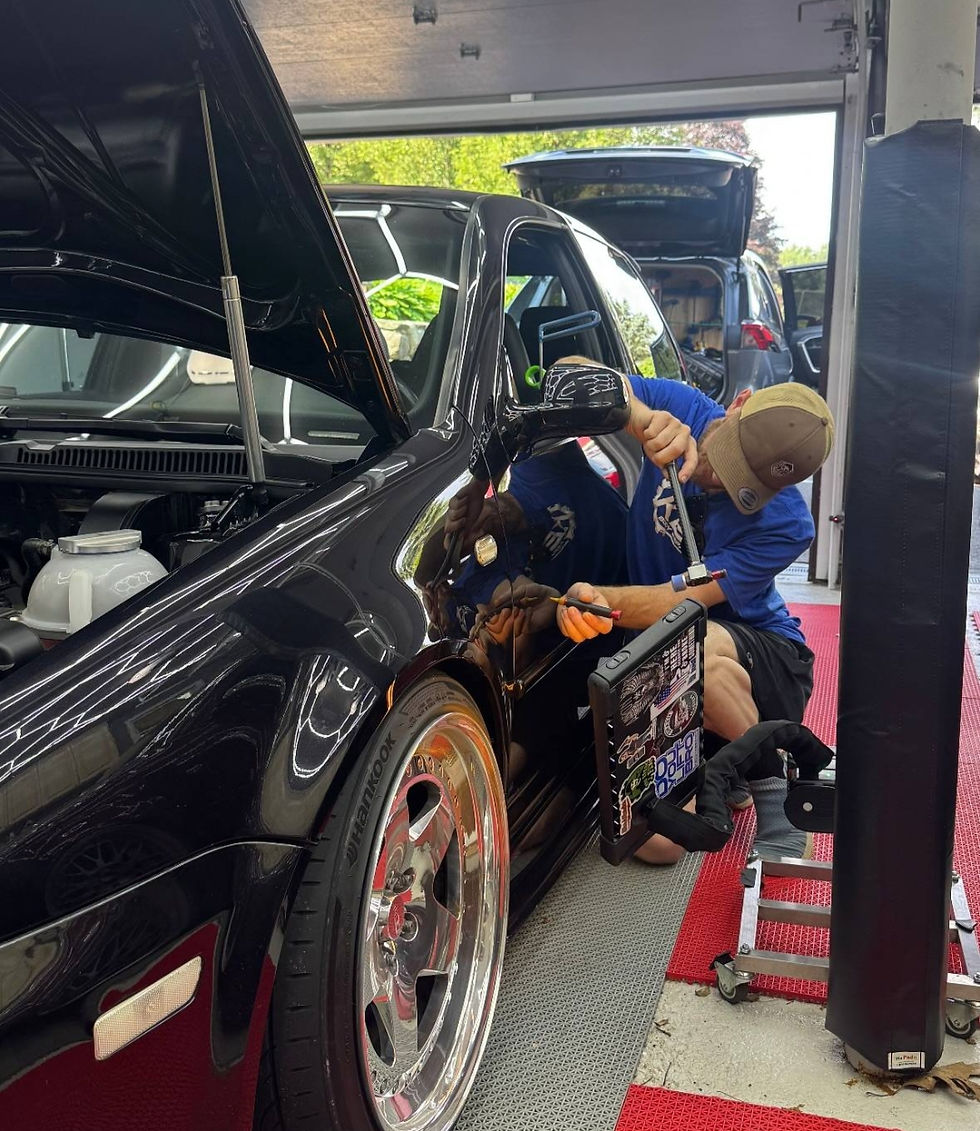
Paintless dent repair avoids all of these issues entirely. PDR uses specialized tools and precise techniques to reshape damaged metal back to its original form without disturbing the factory paint. No fillers are required, no sanding is performed, and no paints or solvents are used at any stage of the repair. Because the original finish remains intact, there are no chemical fumes released into the air and no hazardous waste created. The process also consumes less energy than traditional refinishing, making it one of the most environmentally friendly automotive repair methods available today.
Choosing paintless dent repair is a simple way for vehicle owners to reduce their environmental footprint without compromising quality or appearance. Every dent repaired without paint prevents unnecessary chemicals from entering the ecosystem and reduces overall waste. For customers who value sustainability and responsible practices, PDR provides a meaningful way to make an environmentally conscious decision.
My Dent Shop LLC proudly offers mobile paintless dent repair services across Central Connecticut and surrounding areas. Whether you’re dealing with door dings, parking lot damage, or minor collision dents, our goal is to restore your vehicle efficiently while minimizing environmental impact. We stay current with the latest repair methods and tools so we can continue delivering high-quality results for our customers while supporting cleaner repair practices.
If you’re searching for environmentally friendly dent repair in Connecticut, paintless dent repair may be the perfect solution. Contact My Dent Shop LLC today for a free estimate and find out if your damage qualifies for PDR. Choosing paintless dent repair is not only better for your vehicle, but also better for the environment and the communities we live in.



Comments